

Tax and Accounting Basics for Trusts and Estates Attorneys
Credits Available
| Credit | Status | Total | Until |
|---|---|---|---|
| Colorado CLE |
|
7 Total | 12-31-2025 |
| Montana CLE |
|
6 Total | 12-05-2026 |
| North Dakota CLE |
|
6 Total | 12-05-2026 |
| New Hampshire CLE |
|
6 Total | 12-05-2026 |
| Nevada CLE |
|
6 Total | 12-05-2026 |
| New York CLE |
|
7 Total | 12-05-2026 |
| Oregon CLE |
|
6 Total | 12-05-2026 |
| Washington CLE |
|
6 Total | 12-04-2028 |

Buy This Course
OnDemand Video
Video Download
Course Book Download
Sorry, the course is no longer available.
or
Overview
Managing and Transferring Assets, Controlling Tax, and Other Essentials
Trusts and estates practice requires a wide range of knowledge beyond essential will and trust provisions. This practical course breaks down its most complex aspects: tax and accounting - into a practical overview to help you navigate the intricate rules and tactics that shape every estate plan. Build a solid foundation for your tax and estate planning techniques - register today!
- Get an update on the key tax laws and enforcement efforts governing trusts and estates.
- Clarify the duties and powers of the fiduciaries and get practical tips for accomplishing key tasks.
- Determine when tax is due, who has to pay it, when, and how.
- Get a step-by-step guide to estate, trust, and fiduciary accountings.
- Make certain your practices are beyond reproach with a tailored legal ethics guide.
- Build up your tax planning toolkit with new tax minimization approaches.
- Prevent future problems and liability: get experts' advice on spotting red flags and avoiding mistakes.
Abbreviated Agenda
- New and Current Tax Rules and Their Effects on the Practice
- What Executors Need to Know and Do
- Estate and Fiduciary Accounting
- Trust Accounting
- Tax Basics for Estates
- Trust Tax Essentials
- Tax Minimization Tactics, Common Tax Situations, and Red Flags to Avoid
- Legal Ethics
Credit Details
Credits Available
| Credit | Status | Total | Until |
|---|---|---|---|
| Colorado CLE |
|
7 Total | 12-31-2025 |
| Montana CLE |
|
6 Total | 12-05-2026 |
| North Dakota CLE |
|
6 Total | 12-05-2026 |
| New Hampshire CLE |
|
6 Total | 12-05-2026 |
| Nevada CLE |
|
6 Total | 12-05-2026 |
| New York CLE |
|
7 Total | 12-05-2026 |
| Oregon CLE |
|
6 Total | 12-05-2026 |
| Washington CLE |
|
6 Total | 12-04-2028 |
Select Jurisdiction
CLE
Agenda
-
New and Current Tax Rules and Their Effects on the Practice
-
What Executors Need to Know and Do
- How to Inventory all Assets and File it With the Court
- How to Open and Close Accounts
- How to Pay Creditors and Handle Illiquidity and Insolvency
- How to Keep the Decedent's Business Going
- How to Keep Proper Records
- How to Handle Real Estate - Before and After Sale/Distribution
- Liability and Hot Spots for Executors
-
Estate and Fiduciary Accounting
- Duty to Account, Legal Requirements and Reasons for the Accounting
- What Records/Documents are Needed?
- What Information to Include: Transactions, Valuation, Capital Changes, Interest and Dividends and More
- Account Reconciliation
- Proper Delivery, Consent, Contested Issues
-
Trust Accounting
- Basics of Trust Accounting
- Required Information for Trust Accounting
- When is a Special Accounting Needed?
- Notices of Proposed Action
-
Tax Basics for Estates
- What Taxes Need to be Paid, What Returns Need to be Filed With What Government Agency and When
- Where is it Taxable? Form 1040 vs. 1041
- Final Income Tax Return of the Decedent and Decedent's Delinquent Taxes
- Basis, Market Value, and Taxable Transfer Issues
- IRA and Retirement Account Special Issues
- Tax Elections: Fiscal Year, 663(b) and Other
-
Trust Tax Essentials
- Basis, Market Value, and Taxable Transfer Issues for Trusts
- Tax Set Up and Reporting During Lifetime
- Tax Reporting after Death
- Tax Reporting on Final Distribution
- Tax Election of Fiscal Year
- Grantor vs. Non-Grantor Trusts: Pros and Cons, How They're Taxed, Who Pays the Tax, When a Tax ID is Needed, etc.
- Liability Issues and Hot Spots for Trustees
-
Tax Minimization Tactics, Common Tax Situations, and Red Flags to Avoid
- Taking Advantage of the Basis Step-Up Rules
- Time Value of Money as it Relates to Discounting
- Charitable Giving to Reduce Tax
- Creative Planning With and Taxation of Stock, Money Market, and IRA Accounts
- The Tax Consequences of Trust Gifts to Grandchildren
- Smart Tax Moves When it Comes to Irrevocable Trusts vs. Revocable Trusts
-
Legal Ethics
- Duty of Competence in Trusts and Estates Practice
- Spotting Conflicts of Interest
- Guarding Client Information: Confidentiality and Data Security
- Ethical Issues in Multiple Representation
- Supervising and Subordinate Attorneys
- Fee Agreements
- Attorneys Serving as Fiduciaries
Who Should Attend
This legal guide is designed for attorneys. Accountants, tax professionals, trust officers, wealth managers, and paralegals will also benefit.
Speakers
Speaker bio
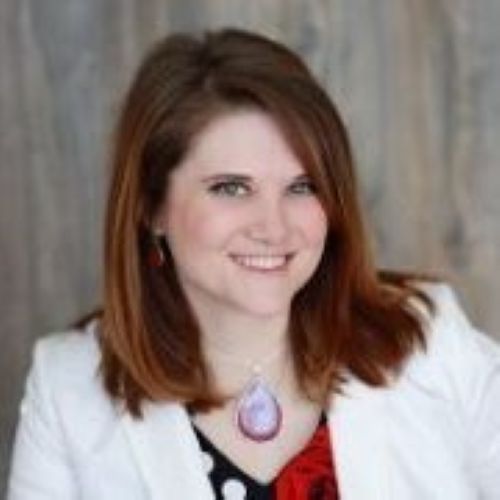
Jamie Weese
is the founding attorney of Weese Law Firm, located in Kansas City, Missouri. She graduated from the University of Kansas School of Law, with an emphasis in tax law. While a law student, Ms. Weese clerked at firms where she assisted with a wide variety of legal issues including estate planning, small business creation, bankruptcy, general litigation and foreclosures, and where it quickly became evident that estate planning and small business creation were her passions. She is admitted to practice in Missouri and Kansas, and is also a member of the The Missouri Bar and Kansas Bar Association.
Speaker bio
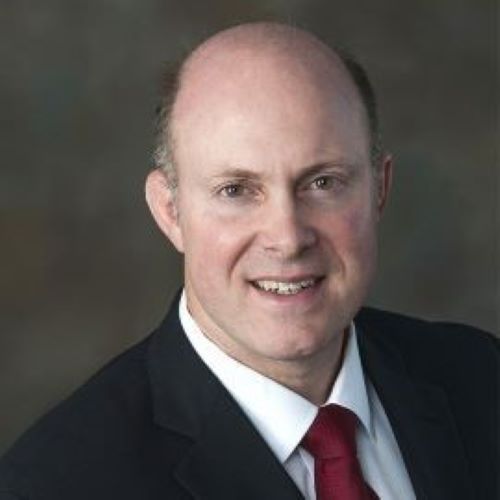
Eric A. Feldhake
is a shareholder with the law firm of Kulzer & DiPadova, P.C., where his areas of practice include estate and tax planning, administration, litigation, and real estate and business transactions. He is licensed to practice in the state of New Jersey, Commonwealth of Pennsylvania, United States Tax Court and United States Supreme Court. Mr. Feldhake is also a member of the American, New Jersey State, Camden County, Burlington County and Cape May County bar associations. He is an adjunct instructor of legal and financial aspects of entrepreneurship at Rowan University, and was an instructor of taxation at the Judge Advocate General Corps' LL.M. Graduate Program. He is a retired Officer in the U.S. Army and Naval Reserves, and Pennsylvania and Indiana National Guards where he served for 32 years. Mr. Feldhake earned his B.S. degree from Indiana University, his M.B.A. degree from the Temple University Fox School of Business and his J.D. degree and LL.M. degree in taxation from Temple University School of Law.
Speaker bio
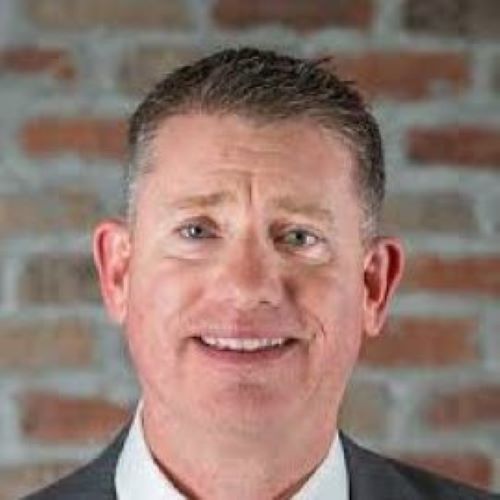
Paul W. Jones
is a partner in the law firm of Hale & Wood, PLLC, where he practices in the areas of tax, business, estate planning, wills, trust, probate, and real estate. He is admitted to practice before the Utah Supreme Court, Federal District Court of Utah and the U.S. Tax Court. Mr. Jones is a member of the Utah State Bar. He is also a licensed certified public accountant. Mr. Jones earned his B.A. degree and his J.D. degree, with honors, from the University of Utah and his Masters of Prof. Accountancy degree from Weber State University.
Speaker bio
Jennifer M. McInerney
is an attorney with Parmer Law, where her practice is focused in estate planning, primarily for families with special needs children. She is licensed to practice in Alabama and Mississippi. Ms. McInerney is the founding member and co-president of the Board of Directors of Special Siblings, which provides support for children with special needs siblings. She currently serves as the president of the Board of Directors of the Jefferson County Intellectual and Developmental Disability Authority. Ms. McInerney is a member of the Board of Directors for Down Syndrome Alabama, member of the Board of Directors for the Shelby Humane Society and member of the Board of Directors for 25:35. She earned her B.A. degree, magna cum laude, as well as her M.A. degree, summa cum laude, from the University of Alabama at Birmingham. Ms. McInerney earned her J.D. degree from Indiana University School of Law and her LL.M. degree in taxation from Washington University in St. Louis.
TOP FAQs
Have more questions? Please Contact Us